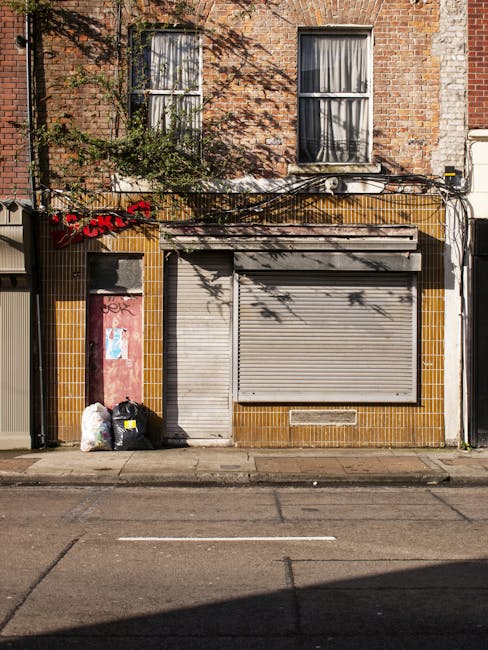
Walworth Road rubbish removal services for SE17 homes: a practical local guide
If you live near Walworth Road, you already know how quickly clutter can pile up in a SE17 home. A broken wardrobe in the hallway, a loft full of forgotten boxes, a garden skip you never quite got round to booking, or the sort of mixed household rubbish that quietly grows after a move, renovation, or spring clear-out - it all adds up. Walworth Road rubbish removal services for SE17 homes are designed to make that mess disappear without the stress, the lifting, or the endless back-and-forth to the tip.
Truth be told, most people do not need a complicated waste solution. They need something simple: prompt collection, careful handling, fair pricing, and a team that knows how to work around tight London streets, flats, stairwells, and shared entrances. This guide walks through how rubbish removal works in practice, what to expect, where the value is, and how to avoid the common mistakes that make a simple job harder than it needs to be.
Whether you're clearing one bulky item or an entire flat, the right approach saves time, reduces risk, and keeps your home from feeling like a storage unit. And yes, that slightly overwhelming pile in the corner? It can be dealt with.
Why Walworth Road rubbish removal services for SE17 homes matters
Home rubbish removal matters because domestic waste is rarely just "rubbish". In SE17 homes, especially around Walworth Road, it often includes mixed items with different disposal needs: furniture, old appliances, bagged waste, renovation offcuts, loft clutter, garden debris, and the occasional awkward item that nobody wants to carry down three flights of stairs. One flat's "just a few bits" can become a van-full very quickly.
It also matters because local homes are not all built for easy clearance. Many are flats with narrow entrances, limited parking, or shared access. That means timing and handling are not small details; they are the job. A good rubbish removal service understands that a bulky sofa dragged through a tight stairwell without planning is how walls get chipped and tempers get tested. Nobody wants that sort of afternoon.
There is a practical side too. Keeping waste in the home for too long can attract odours, trip hazards, pests, and a general feeling of being boxed in. That matters whether you are moving out, dealing with a bereavement, making space for a new baby, or finally tackling the room everyone pretends not to see. For larger clearances, services such as house clearance or home clearance can be a better fit than trying to manage everything yourself.
Key takeaway: For SE17 homes, rubbish removal is not just about disposal. It is about safe lifting, sensible access, quick turnaround, and reducing the strain on your home and your day.
How Walworth Road rubbish removal services for SE17 homes works
The process is usually straightforward, though the details matter. In most cases, it begins with a description of what needs removing, followed by an estimate based on the amount, type, and access conditions. From there, the collection is arranged and the team removes the waste from the property, often loading it directly into the vehicle. Simple on paper. Slightly less simple when there is a basement flat, a long hallway, and a wardrobe that has decided to become one with the staircase.
For domestic jobs, the best services tend to work in a few clear stages:
- Assessment: You describe the items, rough volume, and access details.
- Planning: The collection is scheduled for a time that suits your household and your building access.
- Removal: Items are carried out carefully, with attention to walls, lifts, shared corridors, and neighbours.
- Sorting: Reusable items may be separated from general waste where appropriate.
- Disposal: Waste is taken away for the next lawful and practical step, whether recycling or final disposal.
For mixed household loads, this is where a specialist rubbish removal service often makes more sense than trying to organise multiple trips. If your clearance includes a sofa, a table, and a few bags of old household junk, a furniture-focused service such as furniture disposal or furniture clearance may help keep the job tidy and efficient.
The main thing is this: good rubbish removal should feel organised. You should know what is being collected, when it is being collected, and roughly how the job will be handled. If any of that feels vague, ask more questions. Properly. It is your home, after all.
Key benefits and practical advantages
There are several strong reasons SE17 residents choose rubbish removal instead of doing it themselves. Some are obvious. Others only become obvious halfway up a stairwell with a heavy chair in your arms.
- Less physical strain: You do not need to haul bulky waste downstairs or out to the kerb.
- Faster turnaround: A crew can often clear a load in one visit rather than spreading it over a weekend.
- Better for awkward items: Sofas, mattresses, wardrobes, old shelving, and broken appliances are all easier when handled professionally.
- Cleaner finish: A proper removal leaves the space usable, not half-cleared and dusty.
- Reduced risk of damage: Experienced teams tend to protect flooring, corners, and shared spaces more carefully.
- More flexible for flat living: This is especially useful in blocks where access is tight and parking is limited.
There is also the mental relief. A cluttered home has a habit of nagging at you. Once the waste is gone, the room changes instantly. It sounds dramatic, but anyone who has stood in a cleared loft or opened up a spare room after a clearance knows the feeling. The air literally feels lighter.
If your project is not just about rubbish but about creating breathing room again, related services like flat clearance, loft clearance, or garage clearance can be more comprehensive than a basic bin-emptying approach.
Who this is for and when it makes sense
Walworth Road rubbish removal services for SE17 homes make sense for a fairly wide range of situations. Some are obvious, some less so. In our experience, the moment people start saying, "I'm not sure where to begin," that is usually the sign they need help.
This kind of service is useful if you are:
- moving in or moving out of a property
- clearing rooms after a long period of storage
- getting rid of old furniture or white goods
- dealing with post-renovation debris
- preparing a rental property for the next tenant
- tidying a loft, garage, shed, or basement
- making a home safer for children, older relatives, or visitors
It also suits people who simply do not want the hassle. That is perfectly fair. Not everyone has the time, transport, or physical capacity to load waste themselves. A service can be particularly useful for those in flats or maisonettes where the logistics are awkward and the nearest collection point is not exactly a quick stroll. For landlords or anyone managing a property, domestic rubbish removal can also sit alongside broader waste removal needs when a home has to be turned around quickly.
If a project includes building debris rather than general household waste, a more specific option like builders waste clearance is usually the better match. The type of waste really does matter, especially where safety and sorting are concerned.
Step-by-step guidance
If you want the smoothest possible clearance, it helps to approach it in a simple, methodical way. Not overly precious. Just organised enough to avoid surprise costs and last-minute panic.
- Walk through the property first. Make a quick list of what needs removing. Separate general rubbish from furniture, garden waste, and anything that might need special handling.
- Measure awkward items. Large wardrobes, mattresses, and appliances are the usual troublemakers. Check door widths, stair turns, and lift access if you are dealing with a flat.
- Group items by room. This speeds up the job and helps the team assess the load accurately.
- Tell the provider about access issues. Parking restrictions, controlled entry, narrow staircases, and time limits should all be mentioned early.
- Ask how the load will be handled. Will items be removed from inside the property? Will the team need help with parking or concierge access? Better to know now than argue about it later.
- Clear a path. Move smaller items out of the way so the removal team can work safely and quickly.
- Keep important items separate. It sounds obvious, but keys, documents, chargers, and personal items do have a habit of hiding in the middle of clear-outs.
- Do a final check before collection. Once it is gone, it is gone. That old "maybe I'll need that one day" box is usually not worth keeping.
A small but useful tip: if you are clearing a whole home, do the sentimental items first. Don't leave photos, paperwork, or keepsakes until the end of the day when you are tired and deciding things too quickly. That is when mistakes happen.
Expert tips for better results
A few simple habits can make a rubbish removal job much easier, cheaper, and less stressful. These are the sorts of things that do not sound dramatic, but they matter.
- Be precise about volume. "A few items" and "half a room of mixed junk" are not the same thing. The more accurate the description, the better the estimate.
- Separate reusable items early. If a chair is still in good condition, say so. That helps with sorting and reduces waste where possible.
- Flag special items. Appliances, paint, batteries, and anything potentially hazardous should be mentioned up front.
- Take photos if helpful. A few clear pictures can make quoting easier and cut out guesswork.
- Check access before the day. Shared gates, buzzer systems, permits, and parking restrictions can all affect timing.
- Choose the right level of service. For a single bulky item, a furniture-specific collection may be enough. For a full property, go broader.
One thing we see often: people keep adding "just one more thing" as collection day approaches. That is normal, but it can change the size of the job. A quick honest update is better than a rushed surprise. Nobody likes surprise wardrobes. Seriously, nobody.
If sustainability matters to you, ask about sorting and recycling practices as well. A provider that works with recycling and sustainability in mind is generally a stronger long-term choice than one that treats every load the same way.
Common mistakes to avoid
The biggest mistakes are usually small, but they create avoidable headaches. The good news? They are easy to dodge once you know what to look for.
- Underestimating the amount of waste: This is the classic one. What looked like four bags suddenly becomes a full clearance.
- Not mentioning access problems: If a van cannot park close by or the lift is out of service, the job needs to be planned differently.
- Mixing everything together: Furniture, garden waste, and general rubbish can all be handled, but clarity helps.
- Leaving hidden storage spaces until the last minute: Lofts, under-stairs cupboards, and sheds often contain more than anyone remembers.
- Forgetting about neighbours or building rules: In shared properties, timing and access matter. Keep things courteous.
- Choosing on price alone: Cheap sounds good until the service is slow, unclear, or careless with your property.
A common emotional mistake is trying to clear everything at once when you are already tired. If a home has been lived in for years, decluttering can be draining. Break it into parts if you need to. There is no prize for doing it the hard way.
Tools, resources and recommendations
You do not need a van-load of gear to prepare for rubbish removal, but a few basic tools help.
- Strong refuse sacks: Useful for bagged waste and smaller loose items.
- Gloves: Handy for sorting, especially in dusty lofts or garages.
- Marker pen and tape: Good for labelling keep, remove, donate, and not sure yet.
- Tape measure: Essential for large furniture and tight doorways.
- Phone camera: Helpful for before-and-after records, and for sending item photos when getting a quote.
- Storage boxes: Useful if you are separating valuables from unwanted items.
For residents with mixed household and storage spaces, pairing a general clearance with a targeted service such as loft clearance or garage clearance can make the job far more manageable. If the job is about replacing old items rather than removing mixed waste, furniture clearance is often the cleaner route.
It can also help to review a provider's service information before booking. Pages such as pricing and quotes, insurance and safety, and health and safety policy are useful because they tell you how the business works and what standards it aims to meet. That sort of detail matters more than people think.
Law, compliance, standards, or best practice
For home rubbish removal, the safest approach is to use a provider that understands lawful waste handling and follows accepted UK best practice. You do not need to become a waste regulations expert, but you should expect clear, responsible handling of the materials leaving your property.
At a practical level, that means a few things. Waste should be collected, transported, and passed on in a way that avoids fly-tipping and other bad practice. Reusable items should be separated where possible. Any potentially hazardous items need to be identified before collection. And the business should be transparent about what it can and cannot take.
Homeowners and tenants also have a role to play. If you hand over waste without proper description, especially items that may be restricted or need special treatment, you create avoidable risk. Best practice is simple: be honest about what you have, keep records if you need them, and choose a provider that is clear about responsibility.
For extra peace of mind, it is sensible to check business terms, payment practices, and the company's approach to safety and ethics. The pages on terms and conditions, payment and security, and modern slavery statement can help show whether a business takes the basics seriously. That may sound formal, but it is just good housekeeping really.
Options, methods, or comparison table
There is more than one way to clear waste from a SE17 home. The right choice depends on volume, access, item type, and how much of the job you want to handle yourself.
| Option | Best for | Pros | Watch out for |
|---|---|---|---|
| DIY tip run | Small loads and easy access | Can suit very minor clear-outs | Time, transport, lifting, and repeat trips |
| Skip hire | Longer projects with steady waste flow | Good for ongoing renovation debris | Space, permits, loading limits, and on-street logistics |
| General rubbish removal | Mixed household waste and bulky items | Fast, convenient, less lifting for the homeowner | Costs vary depending on load size and access |
| Furniture-specific clearance | Sofas, tables, wardrobes, mattresses | Efficient for bulky household items | Not ideal for mixed loads of all kinds |
| Full home or flat clearance | Moves, estate clearances, major decluttering | Most comprehensive and time-saving | Needs more planning and item sorting |
To be fair, there is no single "best" method for everyone. A one-room clear-out and a full terrace-house clearance are two very different jobs. If your priority is speed and simplicity, a home clearance or flat clearance service is usually the most efficient. If you have garden debris as well, add garden clearance into the mix rather than trying to force everything into one vague category.
Case study or real-world example
Consider a typical SE17 scenario. A resident near Walworth Road is preparing a two-bedroom flat for a family move. Over the years, the spare room became a storage room. There are old books, a chest of drawers, two broken office chairs, several bags of mixed rubbish, a dismantled bed frame, and a few kitchen bits that should probably have gone months ago. The hallway is narrow, the building has shared access, and parking is not exactly generous.
Trying to do that alone would mean sorting, bagging, carrying, loading, and probably at least one awkward moment with the bed frame. A better approach is to list the items clearly, mention the stair access and parking constraints, and arrange a collection that can handle the full load in one visit. If the furniture is the larger part of the job, combining furniture removal with broader rubbish removal keeps the process neat.
The result is not just a clearer flat. It is less stress on moving day, fewer delays, and one less thing hanging over the household. That is often the real benefit. People think they are buying waste removal, but what they are really buying is headspace.
Practical checklist
Use this simple checklist before your collection day. It keeps the process calm and avoids last-minute scrambling.
- List all items to be removed
- Separate keep, donate, and remove piles
- Measure bulky furniture and note access points
- Tell the provider about stairs, lifts, gates, or parking limits
- Flag any appliances, heavy items, or awkward materials
- Clear a path through hallways and rooms
- Set aside valuables, paperwork, and personal items
- Confirm timing and any building rules
- Ask about recycling or reuse where appropriate
- Do a final walkthrough before the team leaves
If you are handling a bigger clear-out, it also helps to review the provider's about us page so you know who you are dealing with, and contact us if you need to ask anything specific before booking. A short conversation upfront can save a lot of hassle later on.
Conclusion
Walworth Road rubbish removal services for SE17 homes are at their best when they remove more than rubbish. They remove friction. They make a tight flat feel workable again, help a family move without tripping over boxes, and turn a cluttered room into usable space. That is the real value.
The smartest approach is usually the simple one: be clear about what needs removing, mention access details early, choose the right type of service, and work with a provider that takes safety and disposal seriously. Do that, and the job becomes much easier than people expect. Honestly, it can be almost a relief to watch the space open up again.
Get a free quote today and see how much you can save.
Frequently Asked Questions
What items can Walworth Road rubbish removal services for SE17 homes usually take?
Most household rubbish removal services can handle general waste, furniture, bagged clutter, old household items, and many bulky pieces. If you have appliances, building debris, or anything unusual, mention it first so the provider can confirm what is acceptable.
How is rubbish removal different from a skip?
Rubbish removal is usually a collection service where a team loads the waste for you. A skip stays on site and you fill it yourself. For flats and tight streets around Walworth Road, a removal service is often easier because it avoids parking and loading headaches.
Is rubbish removal suitable for flats in SE17?
Yes, very often. In fact, flat clearances are one of the most common reasons people book this kind of service. It works well for shared entrances, narrow staircases, and properties where a skip would be awkward or impossible.
Do I need to sort my rubbish before collection?
Some sorting helps, but you usually do not need to overdo it. It is enough to separate obvious categories such as furniture, garden waste, general rubbish, and anything that might be special handling. The clearer the description, the smoother the job.
How long does a typical home rubbish removal take?
That depends on volume and access. A small load can be quite quick, while a full flat or house clearance takes longer. Access, parking, and the number of bulky items all affect timing, so there is no single answer.
Can I book rubbish removal for just one item?
Yes, that is often possible. One sofa, a mattress, or a broken wardrobe may be collected as a standalone job. If the item is very bulky, say so early so the team can plan properly.
What should I tell the provider before booking?
Give a fair description of the waste, the approximate amount, and any access issues such as stairs, lifts, locked gates, or parking restrictions. It is also wise to mention anything heavy, sharp, fragile, or potentially restricted.
How do I know whether I need a furniture clearance or a general rubbish removal?
If the job is mainly sofas, tables, wardrobes, beds, or similar items, furniture-focused clearance may be the better fit. If the load is mixed and includes bags, clutter, and assorted household items, general rubbish removal is often more suitable.
Is recycling part of rubbish removal?
It can be, depending on the provider and the materials collected. Many reputable services sort items for reuse or recycling where practical. If sustainability matters to you, ask how the business handles sorting and disposal.
What are the most common mistakes people make with home rubbish removal?
The biggest mistakes are underestimating the amount of waste, forgetting about access problems, leaving personal items mixed in, and waiting too long to book. A little planning makes a noticeable difference, especially in busy London homes.
Can rubbish removal help after a renovation or decorating project?
Yes, although for heavier construction materials you may need a more specific builders waste clearance service. For mixed post-project clutter, rubbish removal can be a good fit, especially if you also need old furniture or packaging taken away.
What if I live near a busy stretch of Walworth Road and parking is tricky?
That is exactly the kind of detail you should mention before booking. Busy roads, loading restrictions, and limited parking are common in SE17, so planning around access is part of a good service rather than an inconvenience.
Where can I find more information about service quality and policies?
Useful pages to review include service information, pricing and quotes, insurance and safety, health and safety policy, and recycling and sustainability. They help you understand how the provider works and what standards you can expect.