Southwark Council bulky waste rules: permits and fees
If you have an old sofa, a broken mattress, or a stack of awkward household items sitting in the hallway, the question is rarely "what is bulky waste?" It's more like: how do I get rid of this legally, affordably, and without a headache? That is exactly where Southwark Council bulky waste rules: permits and fees become useful. The rules affect what you can leave out, what you can book, what may need arranging in advance, and what can trigger extra charges or a rejected collection. In real life, the difference between a smooth collection and a frustrating one is often a small detail people miss.
This guide breaks it down in plain English. You'll learn how bulky waste collections typically work in Southwark, what permits may be needed in different situations, how fees are usually structured, and when a private clearance service may be the more practical option. We'll also cover common mistakes, compliance basics, and a realistic way to decide what makes sense for your home, flat, office, or rental property.
Why Southwark Council bulky waste rules: permits and fees Matters
Bulky waste is one of those household chores that looks simple until you are standing in front of a large wardrobe, wondering if it counts as furniture, furniture waste, or just a very annoying problem. In Southwark, the rules matter because they shape what can be collected, when it can be left out, whether you need to book in advance, and whether there are fees attached.
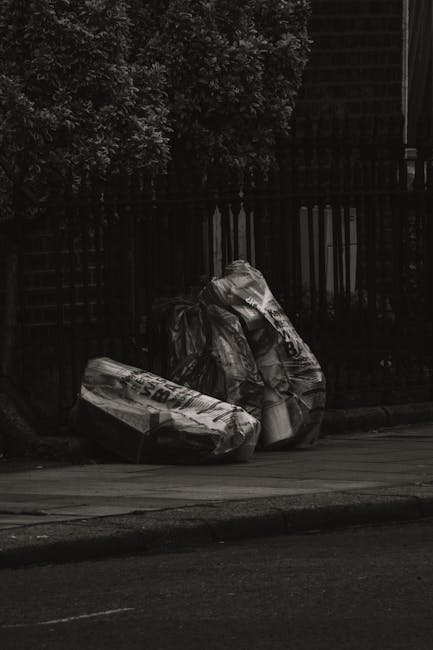
The practical issue is not just cost. It is also timing, access, and compliance. A missed booking or an item left outside at the wrong time can create fly-tipping risk, block pavements, upset neighbours, and in some cases lead to enforcement problems. Let's face it, nobody wants to be "that flat" with a heap of unwanted stuff on the kerb for three days.
For residents, landlords, and managing agents, understanding the bulky waste process helps you avoid wasteful back-and-forth. It also helps you decide whether to use council collection, arrange a private clearance, or split the job into smaller parts. If you're clearing a whole property, it may also be worth looking at broader services such as home clearance, house clearance, or flat clearance depending on the property type and volume.
Expert summary: The best bulky waste plan is usually the one that matches your access, item size, urgency, and budget, not just the cheapest-looking option.
How Southwark Council bulky waste rules: permits and fees Works
Broadly speaking, bulky waste rules cover large items that won't fit in normal household bins. Think sofas, beds, wardrobes, tables, chairs, white goods, and similar awkward items. The exact list and collection conditions can change, so the safest approach is to check the current Southwark Council process before you book anything. That sounds obvious, but a lot of people skip it and then wonder why the collection does not happen. Simple things, really, but important.
In practical terms, the process usually follows a pattern:
- You identify the items you want removed.
- You check whether they qualify as bulky waste.
- You book the council collection or arrange an alternative route.
- You make sure the items are accessible on the agreed day.
- You pay the relevant fee if the service is chargeable.
Permits are a separate issue from collection bookings. In waste work, the word "permit" can mean different things depending on the context. For bulky waste, people often mean one of three things: permission to place items in a certain location, permission to use a skip or container, or an access arrangement if items need to be placed on public land. If you're dealing with builders' rubbish as well as old furniture, that distinction matters a lot. A renovation clear-out is not the same as getting rid of a spare mattress.
Fees can vary based on item type, volume, whether the collection is standard or special, and whether the service is from the council or a private provider. Some items may be classed separately if they require specialist handling, like fridges or items containing hazardous components. This is where it pays to slow down and read the booking terms carefully. Nobody enjoys fee surprises at the end of a long day.
If the clearance is part of a broader domestic clean-up, a service like furniture disposal or furniture clearance can be a cleaner fit than trying to move several different collections through multiple channels.
Key Benefits and Practical Advantages
Understanding Southwark Council bulky waste rules is not just about avoiding fines or getting the booking right. It also gives you more control over the whole job, and honestly that is half the battle.
- Less stress: You know what is allowed, what costs money, and what needs arranging.
- Better timing: You can plan around moving day, tenancy turnover, or a renovation schedule.
- Cleaner streets and shared spaces: Proper disposal keeps entrances, pavements, and communal areas clear.
- Reduced risk of refused collections: Correctly prepared items are much more likely to be taken without issues.
- Smarter budgeting: You can compare council fees with private clearance pricing before committing.
There is also a subtler benefit: once you understand how bulky waste works, you can spot the cheapest route for the specific job. For one chair, council collection may make sense. For a full garage full of mixed items, a dedicated garage clearance or broader waste removal service may save time and several lifts up and down the stairs.
And yes, if you are in a top-floor flat with a tight staircase and no lift, the "cheap option" can become the expensive option pretty quickly once you factor in your own time and the risk of damage.
Who This Is For and When It Makes Sense
This topic matters to more people than you might think. It is not just for homeowners with a single old sofa. It applies to tenants, landlords, estate managers, business owners, and anyone dealing with a property that has accumulated bulky items over time.
You may need this if you are:
- clearing out a flat after a move
- disposing of a broken bed, wardrobe, or sofa
- preparing a rental property for new occupants
- emptying a loft, garage, or garden shed
- dealing with office furniture that is no longer needed
- removing builder waste alongside household items
For office and commercial spaces, bulky waste can quickly overlap with business clearance and duty-of-care considerations. If that is your situation, it often makes sense to look at office clearance or business waste removal rather than treating the job like a simple household pickup.
For residential jobs, the main decision is often this: do you have one or two items, or is this a proper clear-out? If it is the latter, a more complete service can be the calmer choice. A little more cost upfront sometimes saves a lot of dragging, lifting, and cursing under your breath later.
Step-by-Step Guidance
If you want to keep this practical, follow the job in order. Not every clear-out needs a grand strategy, but it does need a bit of planning.
1. Identify every item
Walk through the space and list what needs removing. Be specific. "Old furniture" is too vague if one piece is a mattress, one is a filing cabinet, and one is a broken fridge. Different items can follow different rules or fees.
2. Separate bulky waste from special waste
Some items are straightforward bulky waste. Others may need special handling. For example, electrical items, gas-containing items, or anything with contamination can change the process. When in doubt, do not guess. Better to pause and check than to book the wrong service.
3. Decide whether you need council collection or a private provider
If you have only one or two standard items, council collection may be enough. If you have a mix of furniture, loft clutter, bags, and awkward access, a private clearance company may be simpler. The right answer depends on volume, urgency, and how much lifting you want to do yourself.
4. Check permit or access requirements
If anything must go on public land, or if the collection vehicle needs special access, permits or permissions may be needed. This is especially relevant near narrow roads, controlled parking zones, or shared access blocks. A missed parking detail can derail the whole thing.
5. Confirm the fee structure before booking
Look for what the fee includes. Does it cover one item, multiple items, stair access, or a certain weight? Are there extra charges for bulky or specialist objects? Ask before you book. Seriously. Five minutes now beats a frustrating invoice later.
6. Prepare the items properly
Make items accessible, remove loose contents, and clear the route where possible. If the collection is from a home, try not to make the crew navigate around boxes, bikes, and a very determined houseplant.
7. Keep your paperwork and booking confirmation
Save the booking reference, permit details if relevant, and any fee confirmation. That helps if there is a dispute or a reschedule.
Expert Tips for Better Results
In our experience, the smoothest bulky waste jobs are the ones that look boring from the outside. No drama. No last-minute surprises. Just a clean plan and the right disposal route.
- Group items by type: Put furniture together, electricals together, and general clutter together. That makes sorting and pricing easier.
- Take photos first: A few quick pictures help you judge volume and explain access issues clearly.
- Think about stairs and parking: In Southwark, access can be the make-or-break detail in older properties.
- Book earlier than you think: Especially around moving dates, end-of-tenancy periods, and bank holidays.
- Choose the least disruptive route: If a council collection means multiple round trips carrying items downstairs yourself, a paid clearance may actually be better value.
Another useful tip: if your bulky waste is part of a bigger refresh, combine jobs sensibly. For example, a loft clear-out often includes furniture, boxes, and mixed junk. That is where loft clearance can be much more efficient than handling each category separately.
Truth be told, the best job is the one you only have to do once.
Common Mistakes to Avoid
Most bulky waste issues come from avoidable mistakes, not bad intent. Here are the ones that trip people up most often.
- Leaving items out too early: This can create clutter complaints or collection problems.
- Assuming every large item is treated the same: Mattresses, white goods, and mixed furniture can each behave differently from an admin point of view.
- Ignoring access limitations: If the crew cannot reach the items, the collection may be refused or rescheduled.
- Forgetting about permits: Parking and placement rules matter, especially in busy streets and shared blocks.
- Not checking fees in advance: A cheap-looking option can become expensive once extras are added.
- Mixing prohibited or hazardous items with normal bulky waste: That can create safety and compliance issues.
One small but common mistake is treating the kerb as a universal dumping ground. It is not. If you would not want it sitting there all night outside your own window, that is probably the wrong approach.
Tools, Resources and Recommendations
You do not need fancy kit for most bulky waste jobs, but a few simple tools make life easier.
- Tape measure: Helps confirm whether a sofa, wardrobe, or bed frame will fit through doors and stairs.
- Phone camera: Good for pictures of items, access points, and tight spots.
- Notebook or checklist app: Useful for listing items before booking.
- Labels or marker pen: Handy when separating items for reuse, recycling, and disposal.
- Gloves and sturdy footwear: Basic but worth it, especially if you are moving items to a collection point.
If you want a simpler route, consider whether a combined service suits your job better. A domestic property may need house clearance rather than a piecemeal approach. A business premises may benefit from scheduled business waste removal instead of one-off ad hoc bookings.
For people comparing routes, the pricing page on a provider's site can be useful. If you are trying to understand how different jobs are quoted, the information on pricing and quotes can help you frame the right questions before you commit.
Law, Compliance, Standards, or Best Practice
Any waste job in the UK should be handled with care, especially if it involves public space, shared access, or mixed materials. While this article does not replace formal council guidance, a few best-practice principles apply almost everywhere.
- Do not obstruct pavements or access routes: Keep walkways safe and clear.
- Separate reusable items where possible: That supports recycling and reduces unnecessary disposal.
- Use an authorised disposal route: Avoid informal "mates with a van" arrangements unless you know the waste will be handled properly.
- Keep records of what was removed: Useful for landlords, offices, and anyone with a duty of care trail.
- Follow local collection instructions carefully: That includes the time window, placement rules, and any permit requirements.
For businesses, compliance matters even more. Waste should be transferred and handled responsibly, and the company arranging removal should be confident that items are going to appropriate recycling or disposal streams. If sustainability is important to you, check how a provider approaches reuse and recycling. Their recycling and sustainability approach can tell you a lot about whether they think beyond the easy shortcut.
If the job is going to involve contractors, stairs, shared lobbies, or sharp materials, look carefully at health and safety policy and insurance and safety information before anyone starts lifting. That is not overkill. It is just sensible.
Options, Methods, or Comparison Table
There is no single "best" disposal method for every bulky waste job. The right choice depends on time, volume, access, and how much responsibility you want to take on yourself.
| Option | Best for | Pros | Trade-offs |
|---|---|---|---|
| Council bulky waste collection | One-off items and smaller jobs | Familiar route, often straightforward for standard items | May require booking, waiting, and careful compliance with rules |
| Private bulky waste clearance | Mixed loads, urgent jobs, difficult access | Flexible timing, lift-and-carry service, less hassle | Usually costs more than doing it yourself |
| Part-clearance combined with reuse/sort-out | Landlords, movers, decluttering projects | Efficient, tailored, can reduce waste | Needs a bit more planning up front |
| DIY disposal to a facility | People with transport and time | Control over timing and sorting | Heavy lifting, vehicle costs, time, and multiple trips |
For many residents in Southwark, the real comparison is not council versus private in theory. It is whether you want to spend your Saturday moving a wardrobe through a narrow stairwell, or have it handled properly in one visit. You know the answer when you picture the front hall.
Case Study or Real-World Example
A typical Southwark scenario goes like this. A tenant moves out of a two-bedroom flat and leaves behind a bed base, a wardrobe, a small sofa, and a damaged TV unit. The landlord wants the property ready for new photos by midweek. The building has a shared entrance, limited parking, and one awkward flight of stairs. The items are all technically removable, but not all of them are easy to deal with through a single basic booking.
In that situation, the first question is not "what is the cheapest fee?" It is "what is the least disruptive way to clear the flat safely and on time?" If the items need to be carried through a narrow communal staircase and there is no easy place to stage them, a more complete service may be better. A dedicated flat clearance or a broader home clearance approach can reduce repeat handling and help avoid complaints from neighbours.
That kind of job also shows why permits and fees should be assessed together. A collection that looks cheap on paper may not include the access challenges, while a slightly higher quote can save hours and a few sore backs. As ever, the printed number is only part of the story.
Practical Checklist
Use this before you book or place any items out for collection.
- List every bulky item clearly.
- Separate normal bulky waste from specialist or hazardous items.
- Check whether the collection route needs a permit or parking arrangement.
- Confirm the fee structure and any extra charges.
- Measure doors, stairs, lifts, and tight corners if access is tricky.
- Take photos of the items and access point.
- Decide whether council collection or a private service is more suitable.
- Prepare the items so they are easy to reach on the day.
- Keep your booking confirmation and any reference numbers.
- Check recycling or reuse options before disposal where sensible.
If you are clearing more than one area, it can help to work from the noisiest, dustiest, or heaviest room first. The garage, loft, or office storage area is often the place where the job starts to snowball.
Conclusion
Southwark Council bulky waste rules: permits and fees are really about making disposal manageable. Once you understand what counts as bulky waste, when permissions may be needed, and how charging works, the whole process becomes less intimidating. That is the win here. Not perfection, just a cleaner, simpler route.
For small jobs, a council collection may be enough. For mixed, urgent, or access-heavy clearances, a private service can be the easier and more cost-effective path overall. The key is to match the method to the reality of your property, not the other way round.
If you are comparing your options, it is worth choosing a provider that is transparent about pricing, safety, and recycling. A calm, well-run collection beats a cheap-looking mess every time.
Get a free quote today and see how much you can save.
Frequently Asked Questions
What counts as bulky waste in Southwark?
Bulky waste usually means large household items that do not fit in normal bins, such as sofas, beds, wardrobes, chairs, and similar furniture. Some items may need separate handling depending on what they are made of or whether they contain electrical parts.
Do I need a permit for bulky waste collection?
Not always. A permit may be needed if items must be placed on public land, if parking or access needs formal arrangement, or if the collection method affects the road or pavement. The exact need depends on the location and the service being used.
How much do bulky waste fees cost in Southwark?
Fees can vary based on item type, quantity, and the collection method. Some collections are priced by item or load, while others may include access-related charges. It is best to confirm the current fee structure before booking.
Can I leave bulky items on the pavement before collection?
Only if the booking instructions say that is allowed. Leaving items out too early or in the wrong place can cause obstruction issues, complaints, or a missed collection.
What happens if my items are too heavy or too awkward?
If the items are difficult to move safely, you may need a different disposal route. A private clearance service or a more tailored collection can be more practical than trying to force a standard pickup.
Are mattresses and white goods treated differently?
Often, yes. Mattresses, fridges, freezers, washing machines, and other electrical items can have different handling requirements or fees. It is wise to check the rules for each type rather than assuming they are all treated the same.
Is council bulky waste collection cheaper than private clearance?
Often it is for very small jobs, but not always once access, waiting time, and the number of items are considered. For larger or awkward clearances, a private service can sometimes be better value overall.
What should I do before booking a collection?
Make a full list of items, check access, separate anything special or hazardous, and confirm the fee and permit requirements. A few minutes of prep can save a lot of stress later.
Can landlords use bulky waste services for tenant clear-outs?
Yes, and they often do. For end-of-tenancy clear-outs, it may be more efficient to use a broader property clearance service rather than booking one-off removals item by item.
What if I also need garden or garage items removed?
That is common. Mixed clearances are often easier to manage through services like garden clearance or garage clearance when the bulky waste is part of a larger tidy-up.
How can I make sure my waste is handled responsibly?
Choose a provider that explains its recycling process, safety approach, and pricing clearly. If you care about waste reduction, look at how items are sorted for reuse or recycling rather than just disposal.
Who should I contact if I need help choosing the right option?
If you are unsure whether council collection or a private clearance is the better fit, speak to a local waste removal specialist and describe the items, access, and urgency clearly. A quick conversation can usually clarify the most practical next step.
For more background on the team behind the service, you can also read about us, or visit the contact page if you want to discuss a specific clearance.