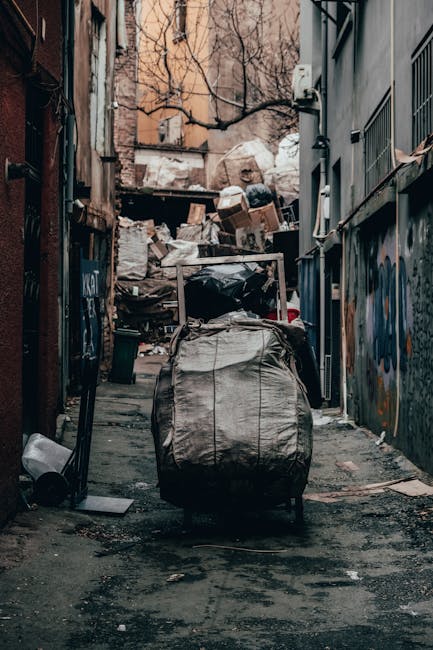
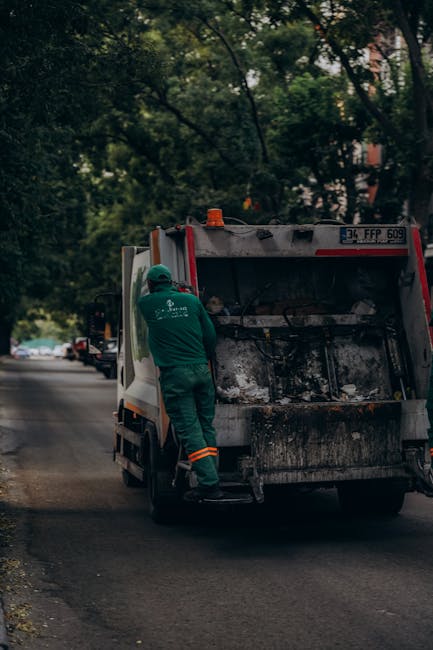
How much does rubbish removal cost in Southwark? Real quotes
If you are trying to work out how much rubbish removal costs in Southwark, you are probably doing the same thing most people do: comparing a few quotes, wondering what is actually included, and trying not to pay over the odds for a van full of junk you just want gone. Fair enough. The tricky bit is that rubbish removal pricing is rarely a single fixed number. It depends on the volume, the weight, the type of waste, access, and how quickly you need the job done.
In this guide, we break down what real quotes usually look like, what pushes the price up or down, and how to judge whether a quote is genuinely good value. You will also find practical examples, a comparison table, a checklist, and a few local realities that matter in Southwark, because let's face it, a flat on a narrow street with no lift is a very different job from a driveway collection on an easy-access road.
For readers who want to compare related services while planning a clearance, it can also help to look at waste removal, house clearance, or flat clearance depending on the kind of load you have.
Table of Contents
- Why How much does rubbish removal cost in Southwark? Real quotes Matters
- How How much does rubbish removal cost in Southwark? Real quotes Works
- Key Benefits and Practical Advantages
- Who This Is For and When It Makes Sense
- Step-by-Step Guidance
- Expert Tips for Better Results
- Common Mistakes to Avoid
- Tools, Resources and Recommendations
- Law, Compliance, Standards, or Best Practice
- Options, Methods, or Comparison Table
- Case Study or Real-World Example
- Practical Checklist
- Conclusion
- Frequently Asked Questions
Why How much does rubbish removal cost in Southwark? Real quotes Matters
Cost matters because rubbish removal is one of those services where the final price can swing quite a bit from one property to another. A quote that seems high at first may actually be fair if the team has to carry items down several flights, navigate parking restrictions, or sort mixed waste by hand. On the other hand, a quote that looks cheap can become expensive if it excludes labour, VAT, access fees, or disposal charges.
In Southwark, these details matter even more. The borough has a mix of flats, terraces, converted buildings, offices, and commercial units. That means access can be awkward, loading can take longer than expected, and waste often includes a mix of old furniture, bagged rubbish, DIY debris, and general clutter. Real quotes have to reflect that.
The other reason it matters is trust. If you are comparing several providers, you want to know whether they are quoting by volume, by weight, or by a rough estimate based on time on site. If that is not clear, you can end up comparing apples with oranges. Not ideal.
Quick takeaway: in Southwark, the cheapest quote is not always the best quote. A proper price should reflect what is being removed, how difficult it is to collect, and what happens to the waste afterwards.
If you are dealing with something more specialised, such as office clutter or mixed commercial waste, it may be worth looking at office clearance or business waste removal rather than a generic rubbish collection.
How How much does rubbish removal cost in Southwark? Real quotes Works
Most rubbish removal quotes in Southwark are built from a few core factors. First comes the amount of waste. Many companies estimate this by van load, cubic yard, or how many bin bags and bulky items there are. Second comes the type of waste. Ordinary household junk is usually simpler to remove than heavy soil, rubble, or mixed builder's waste. Third is access. A ground-floor collection with parking close by is quicker than a fourth-floor flat with no lift and a tight staircase.
Then there is timing. Same-day or urgent jobs often cost more, especially if the team needs to reshuffle schedules to fit you in. Some quotes also change if the job includes dismantling furniture, removing items from lofts or garages, or clearing awkward spaces where sorting takes time.
In practical terms, a real quote usually follows this pattern:
- You describe the waste clearly, often with photos.
- The company estimates volume, weight, and access.
- You receive a price range or a fixed quote.
- The team arrives, confirms the load, and removes the waste.
- You are charged according to the agreed method, assuming nothing major has changed.
That last point is important. If you only mention "a few bags and some furniture" but it turns out to be a garage packed floor to ceiling, the quote will need revisiting. Honest quotes depend on honest descriptions. That sounds obvious, but it catches people out all the time.
For mixed household clearances, useful supporting services include home clearance, furniture disposal, and furniture clearance.
Key Benefits and Practical Advantages
The biggest benefit of rubbish removal is simple: you get the space back without doing the heavy lifting yourself. But there is a bit more to it than that.
- Speed: A good crew can clear a load far faster than a DIY trip to a tip or multiple runs in a car.
- Less stress: No hiring a van, no borrowing a mate's estate car, no wondering where to park.
- Safer handling: Heavy furniture, broken appliances, and bagged waste can be awkward and risky to move without the right help.
- Better sorting: A professional clearance team can separate recyclable items from general waste more efficiently.
- Local convenience: In a place like Southwark, where access and parking can be a pain, having someone manage collection logistics is genuinely helpful.
There is also a mental benefit. People often underestimate this. A cluttered room, garage, loft, or office can quietly become something you keep avoiding. Once the pile starts shrinking, the whole place feels lighter. You notice it the moment the van drives off and the room looks bigger. Bit of a relief, really.
For certain jobs, it may be more cost-effective to book a more targeted clearance rather than generic rubbish removal. A dedicated garage clearance, loft clearance, or garden clearance can sometimes suit the job better and keep the quote tighter.
Who This Is For and When It Makes Sense
This kind of service is for anyone with waste that is too bulky, too much, or too inconvenient to handle alone. That includes homeowners, renters, landlords, letting agents, office managers, builders, shopfitters, and people who are clearing a property after a move or a refurbishment.
It tends to make sense when:
- you have bulky items such as wardrobes, sofas, beds, or broken cabinets;
- you are clearing out after a tenancy change or sale;
- you have mixed junk that will take too long to sort and transport yourself;
- you need builder's waste removed from a renovation;
- you are working to a deadline and need the place empty quickly;
- you do not have the time, transport, or physical help to do it safely.
For business sites, the cost and setup are often different again. Office clearances may involve desks, filing, IT equipment, packaging, and confidential items. That is why a quote for commercial waste should be tailored rather than guessed. If that sounds like your situation, an office clearance or business waste removal service is usually the right place to start.
And if you are dealing with a property clearance after a move, bereavement, or a long-overdue reset, a more complete house clearance or flat clearance may give you a cleaner, simpler outcome.
Step-by-Step Guidance
If you want a quote that is actually useful, the process is straightforward. A little prep makes a big difference.
- List what needs removing. Walk through the room, garden, loft, garage, or office and note the main items. Be honest about how much there is.
- Separate obvious waste types. Keep builder's rubble, general rubbish, furniture, and green waste mentally distinct. Even a rough split helps.
- Take clear photos. Wide shots work best. Try to show the full pile and the access route if it is awkward.
- Explain access issues. Mention stairs, parking distance, narrow hallways, low ceilings, or lift restrictions. This is where quotes often change.
- Ask what the quote includes. Labour, loading, disposal, VAT, and recycling should all be clear.
- Check timing. Confirm whether the price is for same-day, next-day, or a pre-booked slot.
- Get everything in writing. A written quote avoids the awkward "oh, that's extra" conversation later.
Here is a small but useful tip: if you are unsure how much waste you have, take photos in daylight rather than under a yellow hallway bulb. It sounds trivial, but the difference in clarity can be huge. Morning light through a window makes clutter look less mysterious, somehow.
When the job involves broken furniture, old mattresses, or single bulky items, it may be worth checking a dedicated furniture clearance or furniture disposal option so the quote reflects the actual load.
Expert Tips for Better Results
In our experience, the best rubbish removal quotes come from the clearest enquiries. That sounds boring, but it saves money and hassle.
- Be specific about what is in the pile. "Mixed rubbish" is too vague. "Eight bags, one sofa, two broken shelves, and cardboard" is far better.
- Don't hide difficult items. If there is rubble, wet waste, paint tins, or anything unusually heavy, say so early.
- Ask about sorting on site. Some teams price mixed waste differently if they need to spend extra time separating it.
- Check whether the team handles loading. Most rubbish removal services do, but it should still be confirmed.
- Ask about recycling. A thoughtful provider should be able to explain how reusable or recyclable items are handled.
- Choose the right service type. Garden mess, office junk, builders' debris, and household clutter are not always priced the same.
One thing people often forget: access affects labour time more than they think. A pile that takes ten minutes to lift from a driveway may take half an hour to move down a narrow stairwell. That difference gets reflected in the quote, as it should.
If your waste is mostly after renovation or stripping out a room, the most relevant service may be builders waste clearance. That can be more suitable than general rubbish removal and may avoid vague pricing.
Common Mistakes to Avoid
People usually do not get rubbish removal wrong because they are careless. They get it wrong because they are rushing, or because the waste has been building up for months and they just want it gone. Totally understandable. Still, a few mistakes are common.
- Comparing quotes without checking what is included. A lower number may leave out disposal or labour.
- Underestimating the amount of waste. "A couple of bags" can turn into a full van very quickly.
- Ignoring access problems. Parking, stairs, and long carries all matter.
- Mixing waste types without mentioning it. Heavy, awkward, or restricted waste can affect the quote.
- Leaving everything until the last minute. Urgent bookings can be more expensive.
- Not checking recycling and disposal practices. If you care where your waste ends up, ask before booking.
There is also a small trap around "same day" pricing. It can be handy, no doubt, but if your job is flexible, booking ahead may give you more control over cost. Not always, but often enough to be worth asking.
Tools, Resources and Recommendations
You do not need complicated tools to get a better rubbish removal quote. A phone, a notepad, and a bit of honesty will do most of the work.
- Phone camera: Take clear photos of the waste and the access route.
- Simple inventory list: Write down bulky items, bag counts, and any awkward materials.
- Measuring tape: Handy if you are dealing with a tight loft hatch, narrow stairwell, or packed garage.
- Calendar reminder: Useful if you are comparing quotes and waiting for one more reply.
- Questions list: Keep a short list of what you want included in the quote.
For homeowners and landlords, related services such as home clearance and house clearance can be a better fit if the job goes beyond simple rubbish removal. For older furniture, furniture disposal may also be more direct.
If you want to understand how a provider handles payments, deposits, and card security, it is worth reviewing the company's payment and security information before you book. It is a small step, but a sensible one.
Law, Compliance, Standards, or Best Practice
Rubbish removal is not just a price issue. There is a compliance side too, and while this guide is not legal advice, a few best-practice points are worth keeping in mind.
First, waste should be collected and handled by a properly run service. If you hand waste to an untraceable operator and it ends up fly-tipped, that can create problems for everyone involved. Second, waste containing sharp items, broken glass, or heavy materials should be handled with care. Third, some waste types need extra attention, especially if they are hazardous or difficult to dispose of safely.
In the UK, responsible waste handling generally means good documentation, careful sorting, safe lifting practices, and lawful disposal routes. A reputable provider should be able to explain how it manages these basics without making a song and dance about it. Quiet competence is usually a good sign.
It is also reasonable to ask about insurance, staff safety, and how complaints are handled if something goes wrong. A professional company should not be vague about this. If you want a clearer picture of working practices, health and safety policy, insurance and safety, and complaints procedure pages are useful indicators of a more structured service.
For businesses, compliance can matter even more because of access, staff protection, and handling confidential or mixed materials. In those cases, a business waste removal arrangement or office clearance is often the right route.
Options, Methods, or Comparison Table
Different waste removal methods suit different situations. Here is a simple comparison to help you think it through.
| Option | Best for | Typical strengths | Possible drawbacks |
|---|---|---|---|
| General rubbish removal | Mixed household junk, bags, small bulky items | Quick, flexible, convenient | Price can vary if access is poor or waste is heavy |
| House clearance | Whole-property or large-scale clearances | Good for bigger jobs, less coordination for you | May be more than you need for a small pile |
| Flat clearance | Flats, apartments, shared buildings | Designed around access issues and carrying | May need more detail about stairs and parking |
| Builders waste clearance | DIY debris, rubble, renovation waste | Better suited to heavy construction materials | Not ideal for mixed domestic clutter |
| Garden clearance | Green waste, soil, branches, outdoor debris | Good for seasonal tidy-ups and outdoor jobs | Wet or dense waste can affect price |
| Furniture clearance | Sofas, beds, wardrobes, chairs | Simple for bulky household items | Not the best fit for mixed waste loads |
The useful lesson here is that the right service type can shape the quote more than you think. If a company knows the job is a garden clearance rather than a mystery pile of mixed waste, the estimate will usually be sharper and more realistic.
Case Study or Real-World Example
Here is a realistic example based on a common Southwark scenario. A tenant is moving out of a second-floor flat and needs several bin bags, a broken desk, a mattress, and a small wardrobe removed before the checkout date. There is no lift, parking is tight, and the hallway is narrow. Straight away, that tells you this is not a one-size-fits-all job.
A proper quote for this kind of clearance would need to account for:
- the mixed nature of the waste;
- the bulky mattress and wardrobe;
- multiple trips down stairs;
- possible parking or loading constraints;
- the need to complete the job quickly before moving day.
Now compare that with a ground-floor office in Southwark with an easy loading bay and a few desks, chairs, and boxes to remove. Same borough, very different job. Same "rubbish removal" label, very different pricing logic. That is why real quotes need context, not just a photo of one corner of the room.
In this kind of situation, the job might actually fit better under flat clearance or furniture clearance if the load is mostly furniture, rather than a broad waste-removal estimate.
Practical Checklist
Use this checklist before you request quotes. It will save time, and probably a bit of money too.
- Identify the main waste type: household, furniture, garden, office, or builders' waste.
- Count the bulky items and estimate the number of bags or boxes.
- Take clear photos in good light.
- Note stairs, lifts, parking, and loading access.
- Mention any heavy, wet, or awkward items.
- Ask whether labour, disposal, and VAT are included.
- Confirm the collection time and whether same-day service costs more.
- Check whether recyclable items will be separated.
- Keep the quote in writing.
- Review the company's safety and payment information before booking.
If you are sorting a bigger project, it may help to read more about the provider first, including about us, recycling and sustainability, and the company's terms and conditions. That gives you a better sense of how they work, which is handy when comparing quotes.
Conclusion
So, how much does rubbish removal cost in Southwark? The honest answer is that it depends on the size of the load, the type of waste, and how difficult it is to collect. Real quotes should make those factors clear. If they do not, that is a sign to ask more questions before you commit.
The best value is rarely just the cheapest number on the page. It is the quote that matches the job properly, explains what is included, and gives you confidence that the waste will be handled responsibly. That is especially true in Southwark, where access issues, property types, and mixed waste loads can make a simple-looking job a bit more complicated than expected.
Take a few photos, be clear about the pile, and compare like with like. That alone will improve the quality of the quotes you receive. And once the clutter is gone, you will feel the difference straight away. Relief, really. A proper one.
Get a free quote today and see how much you can save.
For a straightforward next step, you can also explore the company's pricing and quotes information or get in touch via contact us.
Frequently Asked Questions
How much does rubbish removal usually cost in Southwark?
The cost depends on the amount of waste, the type of waste, access, and whether the job needs extra labour. A small load of bags and one or two bulky items will usually cost less than a mixed clearance from a flat or office.
What affects a rubbish removal quote the most?
The biggest factors are volume, weight, access, and waste type. Stairs, no parking, heavy items, and mixed debris can all increase the price because they make the job slower and more physically demanding.
Are real quotes in Southwark usually fixed or estimated?
They can be either. Some companies give a fixed quote from photos or a site visit, while others provide an estimate and confirm it on arrival if the waste matches the description.
Is rubbish removal cheaper than hiring a skip?
Sometimes yes, sometimes no. Rubbish removal can be more convenient because loading is done for you, but a skip may suit longer DIY projects. The better option depends on how much waste you have and how quickly you need it gone.
Do I need to sort the waste before collection?
Not always, but sorting can help the quote. If you can separate furniture, garden waste, and builder's debris, the provider may be able to price the job more accurately.
Can I get a same-day rubbish removal quote in Southwark?
Yes, in many cases. Same-day collections are often possible, but urgent bookings may cost more depending on availability and the size of the load.
How do I know if a quote is fair?
A fair quote should clearly explain what is included, what type of waste is being removed, and whether labour, disposal, and VAT are part of the price. If the quote is vague, ask for more detail.
What if my waste is in a flat with no lift?
Tell the provider upfront. Stairs and difficult access can affect both time and pricing, so it is better to be honest from the start than to get a surprise later.
Can rubbish removal include furniture and appliances?
Yes, often it can. Many jobs include sofas, beds, desks, wardrobes, and similar items. If the load is mostly furniture, a dedicated furniture clearance or furniture disposal service may be more suitable.
Do providers in Southwark handle office and business waste too?
Yes, many do. Office clearances and business waste jobs are usually priced differently from domestic rubbish removal because they can involve desks, IT equipment, paperwork, and more complex access or timing.
What should I ask before booking a rubbish removal service?
Ask what is included, whether the quote is fixed, how access affects price, whether recycling is part of the service, and how payment works. It is a five-minute conversation that can save a lot of hassle.
Is it worth getting a photo-based quote?
Absolutely, if the photos are clear. Wide shots in good light help the provider estimate the size and type of load more accurately, especially for flats, garages, lofts, and mixed waste piles.