Avoid fines: correct disposal for hazardous waste in Southwark
If you are dealing with old paint, solvents, fluorescent tubes, cleaning chemicals, batteries, or anything else that feels a bit too nasty for a normal bin, you are in the right place. Avoid fines: correct disposal for hazardous waste in Southwark is not just about staying on the right side of the rules; it is also about protecting staff, neighbours, cleaners, contractors, and the environment. And, to be fair, it can be surprisingly easy to get wrong when you are clearing out an office, flat, garage, or workshop in a rush.
This guide breaks the process down in plain English. You will learn what counts as hazardous waste, why correct handling matters, how the disposal route usually works, and which mistakes most often lead to trouble. We will also cover a simple step-by-step method, a practical checklist, and a few real-world scenarios from day-to-day Southwark life. No fluff. Just the stuff that helps.
Table of Contents
- Why it matters
- How correct hazardous waste disposal works
- Key benefits and practical advantages
- Who needs this and when it makes sense
- Step-by-step guidance
- Expert tips for better results
- Common mistakes to avoid
- Tools, resources and recommendations
- Law, compliance, standards, and best practice
- Options and methods compared
- Case study or real-world example
- Practical checklist
- Conclusion
- Frequently asked questions
Why Avoid fines: correct disposal for hazardous waste in Southwark Matters
Hazardous waste is the sort of material that can harm people, damage property, or contaminate water and soil if it is handled badly. That may sound dramatic, but the reality is often much simpler: one leaking container in the wrong place can create a messy, expensive problem very quickly. Anyone who has ever opened a cupboard and found a half-used tin of solvent or a battery pile with crusty terminals knows the feeling.
In Southwark, as in the rest of London, the expectation is that hazardous waste is separated, stored safely, and passed to the right collection or treatment route. Dumping it in general waste, tipping it illegally, or mixing it with recyclable items can lead to enforcement action, cleanup costs, and avoidable risk. For businesses, there is also the reputational side. A single careless disposal incident can look careless in a way that is hard to undo.
There is another practical reason too. Correct disposal protects the people doing the work. Office staff, caretakers, builders, landlords, tenants, and clearance teams all benefit when waste streams are identified early and handled properly. That sounds simple, but in a busy clear-out it is often the difference between a smooth job and a day of guesswork.
Expert summary: if something is corrosive, toxic, flammable, reactive, contaminated, or simply unknown, treat it as hazardous until it has been identified and sorted properly.
How Avoid fines: correct disposal for hazardous waste in Southwark Works
The basic process is straightforward, even if the paperwork and labels can feel a bit dull. First, identify the item. Then separate it from general waste. Next, store it safely so it does not leak, break, mix, or create fumes. After that, arrange an approved disposal route, which may involve a specialist waste contractor, a licensed collection service, or a designated facility depending on the material.
The key is not to improvise. A container that looks empty may still contain residue. A broken aerosol can still be pressurised. A paint tin with a dried crust on top may still hold liquid underneath. In practice, a lot of the risk comes from assuming too much.
If you are clearing a property or workplace, it often helps to think in categories rather than individual items. For example:
- chemicals and cleaning products
- paints, thinners, varnishes, and adhesives
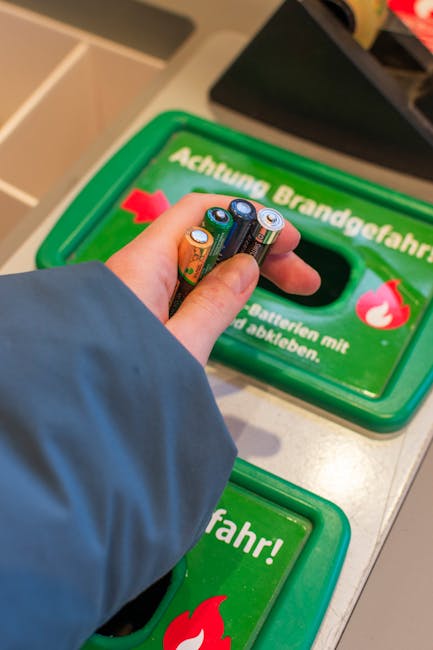
- batteries and electrical items with hazardous components
- fluorescent tubes, lamps, and certain light fittings
- oil, fuels, and related containers
- contaminated rags, absorbents, or packaging
For bigger clearances, this often sits alongside broader waste handling. A mixed office or domestic clearance may also involve furniture, electronics, general rubbish, and recyclables. If you need support with wider clear-outs, services such as business waste removal, office clearance, or waste removal can help keep everything organised without turning the site into chaos. Which, let's face it, is half the battle.
Key Benefits and Practical Advantages
Correct hazardous waste disposal does more than avoid penalties. It makes the whole job calmer, safer, and easier to manage. That matters whether you are a landlord emptying a flat, a facilities manager clearing a storeroom, or a homeowner dealing with an old shed full of forgotten cans.
- Lower compliance risk: separating hazardous items early reduces the chance of accidental mixing or illegal disposal.
- Safer working conditions: staff and contractors are less likely to be exposed to fumes, cuts, spills, or contamination.
- Cleaner handover: a property can be returned in better condition, with fewer last-minute surprises.
- Better recycling outcomes: some items can be treated or recovered appropriately instead of being lost in general waste.
- Reduced disruption: once hazardous items are identified, the rest of the clearance moves faster.
There is also a mental benefit, oddly enough. Once the hazardous stuff is labelled and set aside, the job feels manageable. You can see the finish line. The room stops looking like a problem and starts looking like a plan.
Who This Is For and When It Makes Sense
This guidance is useful for anyone who handles waste in Southwark, but some readers will need it more urgently than others. If you are in one of the situations below, the correct disposal route is worth sorting sooner rather than later.
- Business owners and office managers: old toner, cleaning chemicals, batteries, broken fittings, and mixed waste from refits can build up quickly.
- Landlords and letting agents: end-of-tenancy clearances can reveal mystery bottles, shed waste, decorators' leftovers, or items left behind by previous occupiers.
- Builders and tradespeople: coatings, adhesives, sealants, and contaminated materials often need separate handling.
- Homeowners and tenants: garages, lofts, basements, and cupboards are classic hiding places for old chemicals and paint.
- Care homes, schools, and managed premises: these settings need extra care because the people around the waste may be more vulnerable.
It also makes sense when you are dealing with mixed clearances. For example, a property might need a house clearance or home clearance alongside the removal of a few hazardous items from a cupboard or utility room. If the issue is a cluttered loft or garage, you may be looking at loft clearance or garage clearance as part of the same tidy-up.
In short, if the waste is awkward, potentially dangerous, or just not obvious, do not leave it until the last minute. That is where people trip up.
Step-by-Step Guidance
Here is a sensible, low-stress way to handle hazardous waste in Southwark without making the process more complicated than it needs to be.
- Pause and sort before lifting anything. Do a quick visual scan. Look for labels, warning symbols, leaks, crushed containers, and anything that smells sharp, oily, or chemical-like.
- Separate the hazardous items from everything else. Keep them away from general rubbish, food waste, cardboard recycling, and any other waste streams.
- Do not decant unless it is clearly safe and appropriate. Repackaging can create more risk if the original container is damaged or unknown.
- Store items upright and stable. A dry, cool, ventilated area is usually sensible, with lids secure and containers protected from knocks.
- Check whether the item is actually hazardous. Some things are clearly dangerous; others are only hazardous because of residue, contamination, or pressure.
- Record what you have. A simple note or list is often enough: item type, approximate quantity, and where it was found. Not glamorous, but useful.
- Arrange the right disposal route. Use a collection method that can handle the material safely. For mixed property clearances, services such as furniture disposal or furniture clearance may sit alongside hazardous items, but they should remain separate in the planning stage.
- Keep a clear handover. Make sure the final team knows which items need specialist handling and which are standard waste.
A small but important point: if you are clearing after hours, in winter, or under time pressure, hazards are easier to miss. Evening light makes labels harder to read, and nobody wants to be peering at a rusty tin by torchlight if they can avoid it.
Expert Tips for Better Results
After a lot of clearances, one thing becomes obvious: the best hazardous waste jobs are the boring ones. Not because they are dull, but because everything is identified early and there is no last-minute drama.
- Use a two-pile system. One pile for definitely non-hazardous waste, one for anything questionable. Questionable items need a decision, not a guess.
- Read the whole label, not just the front. The small print often matters more than the bold name.
- Check for secondary hazards. A bottle may be hazardous because of its contents, but also because the glass is cracked or the cap has split.
- Keep different waste types separate. Paint, batteries, oils, and electrical components should not be bundled together unless a trained handler says otherwise.
- Protect floors and carpets. A simple tray, liner, or contained box can save a lot of grief if a container starts to seep.
- Ask for a structured quote. If you are comparing clearance help, look for providers that are clear about sorting, transport, and treatment. The cheapest option is not always the safest one.
If the job includes a commercial site or office, pairing hazardous waste handling with office clearance or business waste removal can streamline the process. For properties with a lot of mixed clutter, a broader waste removal plan is often more efficient than tackling everything piecemeal.
And one more thing: do not let the old "it'll be fine" instinct take over. That phrase has caused more hassle than it has ever solved. Funny how that happens.
Common Mistakes to Avoid
Most hazardous waste problems start with one of a handful of predictable mistakes. The good news is that they are all avoidable once you know what to look for.
- Mixing hazardous and non-hazardous waste: this is one of the quickest ways to create a disposal headache.
- Leaving items unlabeled: if nobody knows what it is, nobody can safely sort it.
- Assuming empty means safe: residue can still be hazardous, especially in chemical containers and aerosol cans.
- Overfilling bins or bags: crushing containers can release spills or fumes.
- Storing waste in a hot or damp area: heat, moisture, and sunlight can change the condition of some materials.
- Forgetting hidden hazards: old batteries in drawers, paint tins on shelves, or cleaning products under sinks are easy to miss.
- Leaving disposal until the last day: that is when rushed decisions happen, and rushed decisions are expensive.
There is a quieter mistake too: treating every odd item as a crisis. Not every unusual thing is dangerous, but every unusual thing deserves a proper check. That middle ground is where good practice lives.
Tools, Resources and Recommendations
You do not need a huge kit to manage hazardous waste properly, but a few basic tools make life easier and safer.
- Strong labels and marker pens for identifying contents and separation status.
- Seal-able containers or trays to reduce the chance of leaks.
- Disposable gloves and eye protection where appropriate for handling uncertain items.
- Absorbent material for small spill containment, if you are trained to use it.
- A simple inventory sheet to note what has been found and where it was stored.
For larger jobs, especially where hazardous items are mixed with furniture, bulky waste, or long-term storage clutter, professional support is usually the sensible route. If the site also needs decluttering or end-of-life property clearing, options like flat clearance, home clearance, or house clearance can be integrated into a wider plan. That is often more efficient than trying to handle each category separately over several days.
It can also help to review the provider's approach to safety and working practices. Pages such as health and safety policy, insurance and safety, and recycling and sustainability are useful trust signals when you are deciding who to work with. They do not replace proper checks, of course, but they tell you a lot about how seriously the business treats the job.
Law, Compliance, Standards, or Best Practice
For hazardous waste, the safest approach is to assume that legal responsibility continues until the waste is handed to the right person or route. In practical terms, that means the person or business producing the waste should take reasonable steps to store it safely, describe it accurately, and ensure it is passed on correctly.
Best practice in the UK generally includes separating waste streams, avoiding illegal disposal, keeping clear records where required, and using competent handlers for materials that need specialist treatment. For businesses, this is especially important because poor waste control can create wider compliance problems beyond the initial disposal issue.
There is no sense pretending this part is exciting. It is not. But it is the backbone of the whole process. The paperwork, the labels, the duty of care, the careful handover, the record of what left the site - all of that matters because it gives you a traceable chain and reduces the chance of something going wrong after collection.
If you are unsure whether an item is hazardous, the cautious route is usually the right one. When in doubt, separate it, do not mix it, and seek a proper assessment before disposal. That may feel slower in the moment, but it is almost always quicker than sorting out a mistake later.
Options, Methods, or Comparison Table
Different disposal routes suit different situations. The right choice depends on the waste type, quantity, access, and how mixed the load is. Here is a simple comparison to help you think it through.
| Method | Best for | Pros | Watch-outs |
|---|---|---|---|
| Separate self-sorting before collection | Small, clearly identified hazardous items | Low cost, tidy, easy to plan | Needs careful labelling and storage |
| Specialist collection through a clearance provider | Mixed loads, bulky clearances, awkward access | Convenient, safer, less handling by you | Needs a clear description of what is present |
| Full property or site clearance | Large clear-outs with general waste and hazardous items | Fast, organised, good for tight deadlines | Hazardous items must still be flagged separately |
| Item-by-item DIY disposal | Very small volumes where permitted | Flexible for one-off items | Easy to make mistakes if you are not sure what it is |
For many Southwark residents and businesses, a mixed approach works best. The non-hazardous part of the clear-out can move quickly, while the hazardous items are isolated and managed with a bit more care. That balance keeps the job moving without cutting corners.
Case Study or Real-World Example
A typical example: a small office in Southwark was preparing for a refit and clearing cupboards, a store room, and a few under-desk drawers. Most of the waste was straightforward: broken chairs, old paper files, and a few worn accessories. But tucked in with the clutter were spare batteries, a couple of half-used cleaning products, and one cracked container that nobody could confidently identify at first glance.
The team paused the clearance, separated the unknown item, and listed everything that needed special handling. The furniture and general waste were removed as part of a broader clearance, while the hazardous items were kept apart and dealt with through a more careful process. Nothing dramatic happened. That was the point. The job stayed calm because nobody tried to be heroic with a mystery bottle and a roll of packing tape.
A similar thing happens in homes all the time. A garage clear-out turns up old paint, a box of batteries, and a faded bag of garden chemicals from years ago. Most of the room is fine, but those few items change the plan. Once they are separated, the rest of the clearance becomes much easier, and the risk drops sharply.
Practical Checklist
Use this checklist before anything leaves the property or site.
- Have I identified any hazardous or potentially hazardous items?
- Are the items separated from general waste and recyclables?
- Are labels visible and containers intact where possible?
- Have I checked for leaks, fumes, damage, or pressure issues?
- Are the items stored upright, secure, and away from heat or moisture?
- Have I noted quantities and any unknown contents?
- Is the disposal route appropriate for the material?
- Do I know who is responsible for collection and handover?
- Are the rest of the clearance items sorted too, such as furniture or office waste?
- Have I kept a simple record for my own peace of mind?
If you can tick most of those boxes, you are in good shape. If not, stop and tighten up the process before moving on. A few minutes now can save a lot later.
Get a free quote today and see how much you can save.
Conclusion
Correct hazardous waste disposal in Southwark is really about discipline, not drama. Separate what is risky, store it properly, use the right collection route, and keep the rest of the clearance moving in an orderly way. That approach protects people, keeps your project cleaner, and helps you avoid the kind of mistakes that can turn a simple job into an expensive one.
Whether you are dealing with a single awkward container or a larger mixed clearance, the same principle applies: do not guess, do not mix, and do not leave it to chance. A clear plan is almost always the cheapest plan in the end.
And once the dust settles, the room smells a bit fresher, the floor is visible again, and the whole place feels lighter. That part never gets old.
Frequently Asked Questions
What counts as hazardous waste in a home or office?
Common examples include chemicals, paints, solvents, adhesives, batteries, certain lamps, oils, and contaminated materials. If an item can leak, burn, corrode, poison, or create fumes, treat it carefully until you know more.
Can I put hazardous waste in my normal bin if it is only a small amount?
No, not usually. Even small amounts can cause harm or contaminate a waste load. The safer choice is to keep it separate and use the correct disposal route.
Do empty paint tins and chemical bottles still count as hazardous?
Sometimes, yes. Residue can still be hazardous, and containers may still need special handling depending on what they held. Never assume "empty" means harmless.
What should I do if I find an unknown bottle or container during a clearance?
Do not open it, mix it, or pour it out. Isolate it, keep it stable, and treat it as hazardous until it has been identified by someone competent.
Is hazardous waste disposal different for businesses in Southwark?
Yes, businesses usually need to be more structured about separation, storage, and records. The exact duties can vary depending on the waste and the setting, but businesses should be especially careful because compliance expectations are higher.
How do I safely store hazardous waste before collection?
Keep it upright, sealed, labelled, and away from heat, moisture, and heavy foot traffic. A dry, secure area is usually best, provided it is suitable for the specific item.
Can hazardous waste be collected with furniture or general clearance items?
It can be part of the same visit, but it should not be mixed with other waste streams. For example, furniture and general items can be handled alongside hazardous waste, as long as the dangerous items are identified separately first.
What are the most common mistakes people make?
The biggest mistakes are mixing waste streams, failing to label items, assuming containers are safe because they look empty, and leaving sorting until the last minute.
How do I know whether I need a specialist clearance provider?
If the waste is mixed, bulky, awkward to access, or genuinely uncertain, specialist help is usually the sensible option. It keeps handling safer and reduces the chance of a disposal error.
What happens if hazardous waste is disposed of incorrectly?
Possible consequences include fines, cleanup costs, complaints, and environmental harm. For businesses, there can also be reputational damage and wider compliance headaches.
What if I only have one or two hazardous items?
Even a small number of items should be handled properly. The process may be simpler, but the principle is the same: separate, store safely, and use the right disposal route.
Where does a broader clearance service fit in?
If you are dealing with a full property, office, loft, garage, or mixed waste situation, a wider clearance service can help organise the non-hazardous items while leaving the hazardous waste to be handled appropriately. That split often saves time and keeps everything safer.